Gallery Late – Māra Brašmane solo show "MY FRIENDS", RPB 2026
Opening hours
29.05
12-20
Location
Galerija Alma, Tērbatas iela 64, Riga
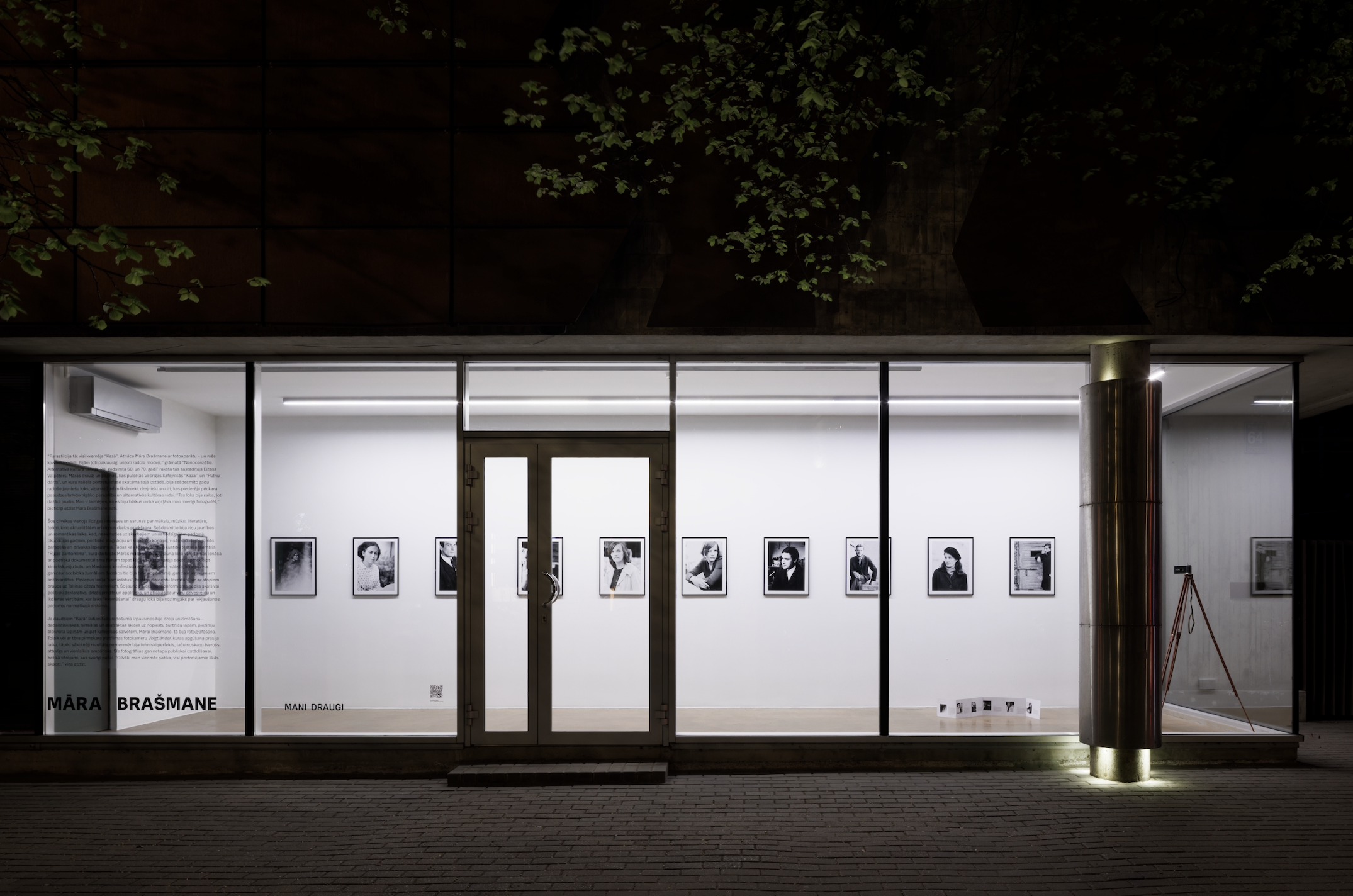
The ALMA Gallery presents Mara Brašmane’s solo exhibition “My Friends,” which brings together the artist’s earliest photographs, taken between 1965 and 1969 with her father’s “Voigtländer” medium-format camera. The black-and-white images depict bohemians, artists, and writers who would go on to become Riga’s new intelligentsia in the decades to come. In these portraits, Laima Eglīte, Eižens Valpēters, Eva Gurviča, and Juris Pudāns speak wordlessly of their dreams for the future in the cafés Kaza and Putnu dārzs, revealing the feelings and self-discovery of their generation.
During "Gallery late," visitors will have the opportunity to meet the artist and the exhibition curator, as well as enjoy a curated music selection and drinks throughout the evening.
Exhibition curator: Kristians Fukss
Exhibition video: https://www.youtube.com/watch?v=qFaS4UksLlQ
The exhibition is organized in collaboration with the Riga Photography Biennial
https://www.rpbiennial.com
Māra Brašmane (1944) is one of the most significant Latvian photographers of the 20th century. She has built up an archive of black-and-white photographs over the course of her life, though she only gained recognition after the exhibition “In the City of My Youth” in 2002 at the Latvian Artists’ Union (curated by Inese Baranovska). The exhibition’s photo album (Neputns, 2005) has become a rarity among librarians. Her archive serves as an important visual source for research into Latvian culture during the Soviet and transition periods.
About the Riga Photography Biennial
The Riga Photography Biennial is an international contemporary art event that focuses on the analysis and artistic representation of visual culture. In the title of the Biennial, photography is used as an umbrella term for a wide variety of artistic practices in image-making that continue to transform the language of contemporary art in the 21st century. The biennial’s themes range from cultural theory to current sociopolitical processes in the Baltic and European regions. The Riga Photography Biennial aims to capture and, in the format of an art festival, offer a shared understanding of the changes taking place in the world—changes that we need not only to see but also to imagine, translating today’s complex and saturated visual language into meaningful relationships—between everyday life, the camera lens, historical material, contemporary art, technology, and the future. How has the understanding of photography and the image changed due to digital technology, and how does it manifest itself within the context of a work of art? For the organizers of the Biennial, these are crucial issues to analyze and represent, offering Latvian audiences the most relevant examples of international art through exhibition displays, as well as introducing the ideas of prominent art theorists through symposia, discussions, and publications within the formats of exhibitions and performances. The first Riga Photography Biennial took place in 2016. The Riga Photography Biennial 2026 runs from April 16 to July 3 with an extensive exhibition and educational program, marking the RFB’s ten-year journey. For more information:
www.rpbiennial.com.
.webp)
.avif)
.jpg)
.avif)
%20(2).avif)